About Carbon Monoxide
Carbon monoxide kills without warning. You can't see it, smell it or taste it, and by the time symptoms appear, it may already be too late.
WHAT IS CARBON MONOXIDE?
Carbon monoxide (CO) is a toxic gas produced when fossil fuels (gas, oil, wood or coal) burn without enough oxygen.
It's most commonly released by faulty or poorly maintained appliances: boilers, gas fires, cookers, wood burners and generators.
What makes it so dangerous is that it's completely undetectable by human senses. No colour, no smell, no taste. It earns its name (the silent killer) because it can reach fatal concentrations in a room before anyone realises something is wrong.

How common is carbon monoxide poisoning in the UK?
More common than most people think, and the problem is getting worse.
In 2025, over 10,000 suspected CO poisoning cases were reported across the UK, made up of 7,703 fire service call-outs and 3,185 cases reported by NHS trusts. That's more than double the number of fire service incidents recorded in 2020, when 3,876 were reported.
Around 4,000 people attend A&E each year in England due to suspected CO exposure, with approximately 440 to 500 hospital admissions annually. Between 30 and 40 people die from accidental, non-fire-related CO poisoning in England and Wales each year.
These figures are widely considered to be an underestimate. CO poisoning is frequently misdiagnosed. Its symptoms closely resemble flu, viral illness and fatigue, meaning many cases go undetected and unreported.
what are the SYMPTOMS?
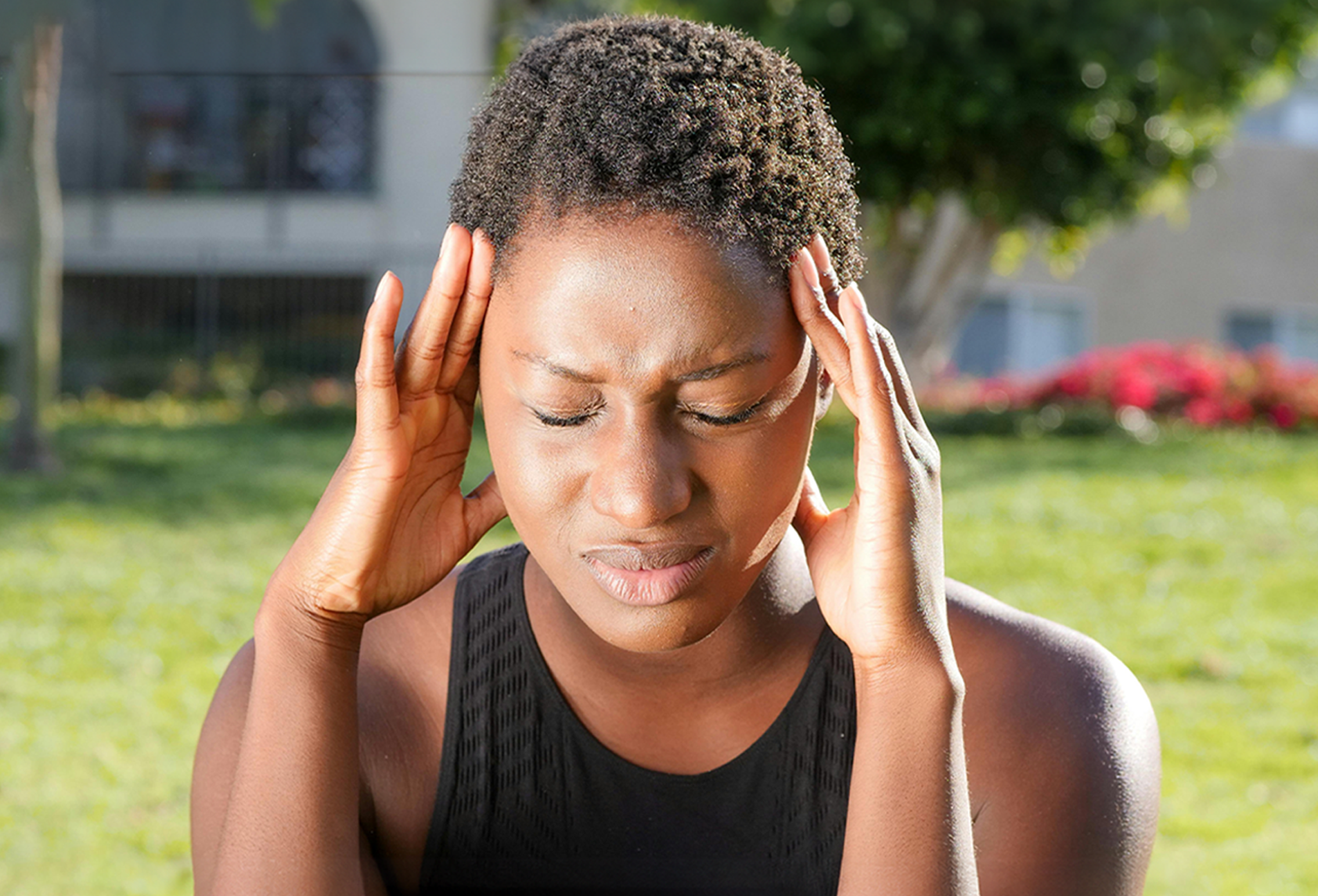
CO poisoning symptoms are easy to miss. They're often mistaken for a cold, flu or general tiredness, which is exactly why it's so dangerous.
Common symptoms include:
Headache
Nausea or vomiting
Dizziness
Breathlessness
Confusion
Collapse or loss of consciousness
A key warning sign:
Symptoms that ease when you leave a building and return when you go back in. This pattern suggests a CO source within the property. If you notice this, at home or away, take it seriously and seek medical advice immediately.
This is particularly relevant when staying in unfamiliar accommodation. Holiday rental guests have reported symptoms they put down to travel fatigue or a stomach bug, which were later identified as CO exposure. If something feels off, trust it.
Anyone in a property with a fuel-burning appliance is at risk. But some situations carry higher exposure than others.
At home: Poorly maintained boilers, gas fires and cookers are the most common sources. Any room with a fuel-burning appliance or a flue running through it needs a CO alarm.
In leisure vehicles: Caravans, motorhomes and boats present additional risks, particularly from external sources such as nearby generators, other vehicles or poorly ventilated cooking equipment.
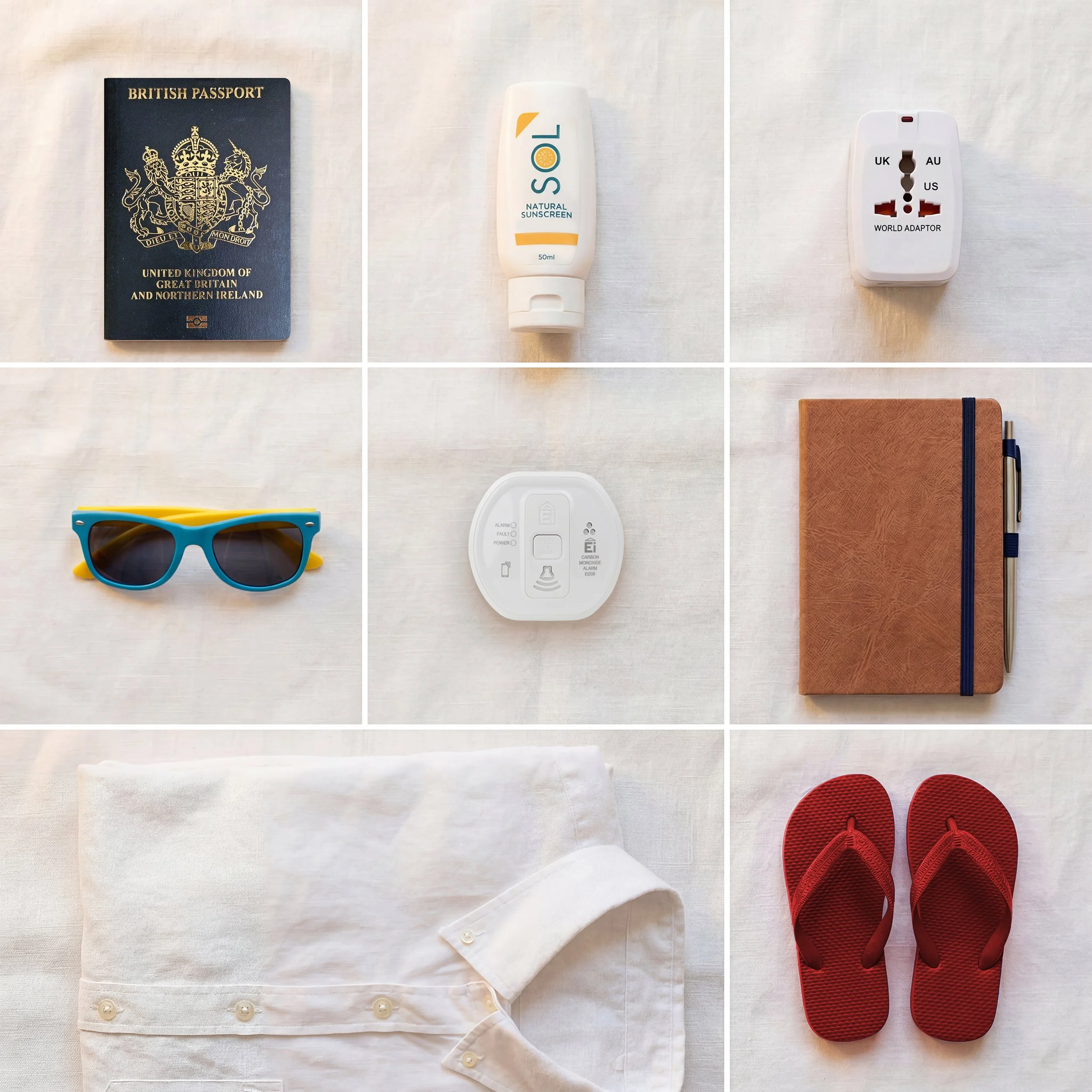
On holiday: Staying in a rental property, villa, apartment or hotel abroad removes the protections you might take for granted at home. You have no visibility of when appliances were last serviced, whether a CO alarm is fitted, or whether local safety standards match those in the UK. CO poisoning incidents in holiday accommodation are documented and, in some cases, fatal. Taking a portable CO alarm when you travel is one of the simplest precautions you can take.
Outdoors and camping: CO can accumulate in tents, awnings and enclosed outdoor spaces, particularly from BBQs or camping stoves used in or near enclosed areas. Never assume fresh air means you're safe.
WHO Is At risk?
WHAT TO DO IF your CO ALARM SOUNDS
Don't ignore it and don't investigate the source yourself.
01
Get everyone out of the property immediately
02
Leave doors and windows open as you exit
04
Seek medical attention for anyone showing symptoms
03
Call the National Gas Emergency Service: 0800 111 999
05
Do not re-enter until the property has been checked and cleared by a qualified engineer
If you're abroad and your portable alarm sounds, leave the accommodation immediately, contact the property owner or manager, and seek local emergency services if needed.
The risk is rising, and it's largely preventable
CO poisoning doesn't discriminate. It happens in modern homes, well-maintained properties and well-reviewed holiday rentals. The difference between a near-miss and a fatality is often simply whether a working CO alarm was present.
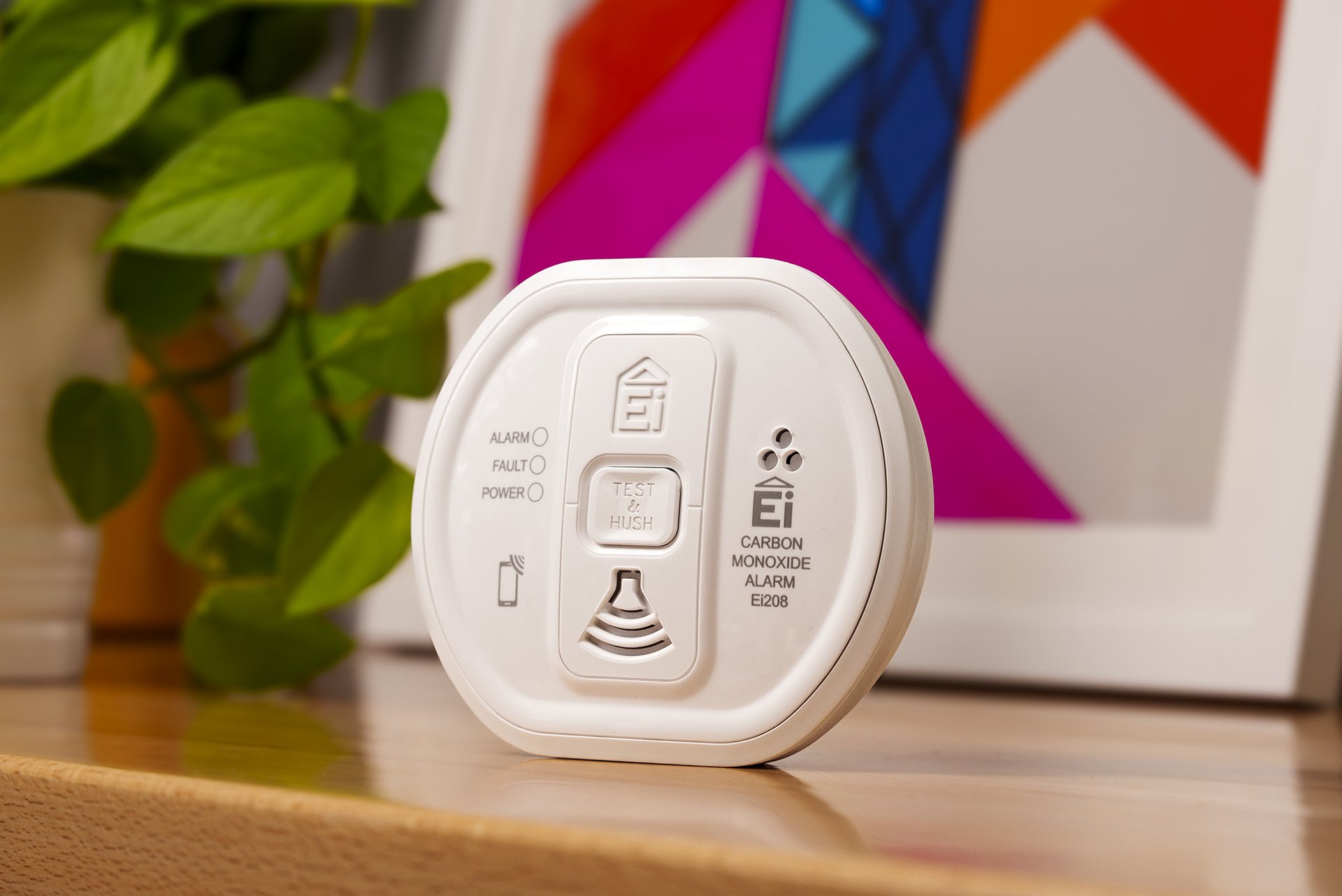
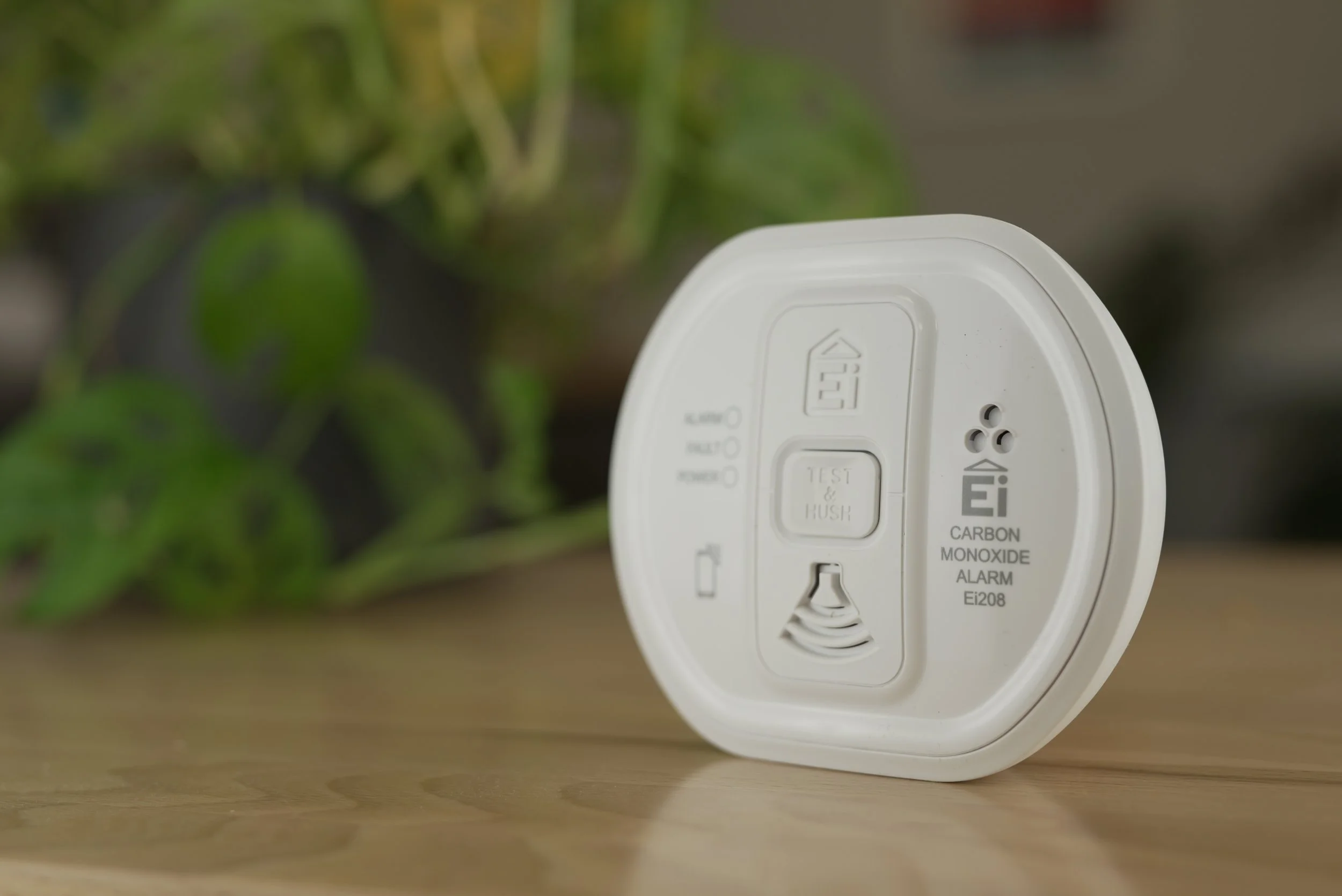
A CO alarm is inexpensive, widely available and takes seconds to fit. For travel, portable alarms are compact enough to fit in hand luggage.
Understanding the risk is the first step. Acting on it is what saves lives.
Get extra Governmental information on impacts of exposure to Carbon Monoxide.
-
![Understand more about Carbon Monoxide Alarms]()
Understand more about Carbon Monoxide Alarms
-
![Find out more about safety on holiday]()
Find out more about safety on holiday